 how-to
7 Steps to Choosing a Family Owned Wedding Business
Last Updated: October 30, 2026
Quick Summary
Choosing a family owned wedding business means verifying who actually owns and runs the company before you book. Ask who owns it, how long the family has operated it, and which family members work events, then confirm those names match the website, reviews, and contract.
- Verify ownership in about fifteen minutes with three direct questions on your first call.
- Ask which family members staff events, since the name on the sign is not proof.
- Request full wedding galleries or complete event samples, not highlight reels alone.
- Compare your top three vendors on services, response time, backup plans, and contract terms.
- Confirm the contract names on-site staff and includes a written substitution and backup clause.
Table of Contents
- Why Family Owned Wedding Businesses Stand Out in Central Florida
- 7 Steps for Choosing a Family Owned Wedding Business
- Step 1: Lock In Your Wedding Date, Budget, and Venue First
- Step 2: List the Vendors You Actually Need
- Step 3: Gather Personal Referrals and Read Online Reviews
- Step 4: Verify the Business Is Genuinely Family Owned
- Step 5: Review Portfolios and Previous Work
- Step 6: Compare Your Shortlist Side by Side
- Step 7: Schedule Consultations and Ask About Family Roles
- Questions to Ask Wedding Vendors Before You Book
- Your Wedding Vendor Checklist for a Stress-Free Booking
- The Wedding Vendor Contract Checklist Every Couple Needs
- How Wedding Vendor Coordination Keeps Your Day on Track
- Frequently Asked Questions
Why Family Owned Wedding Businesses Stand Out in Central Florida
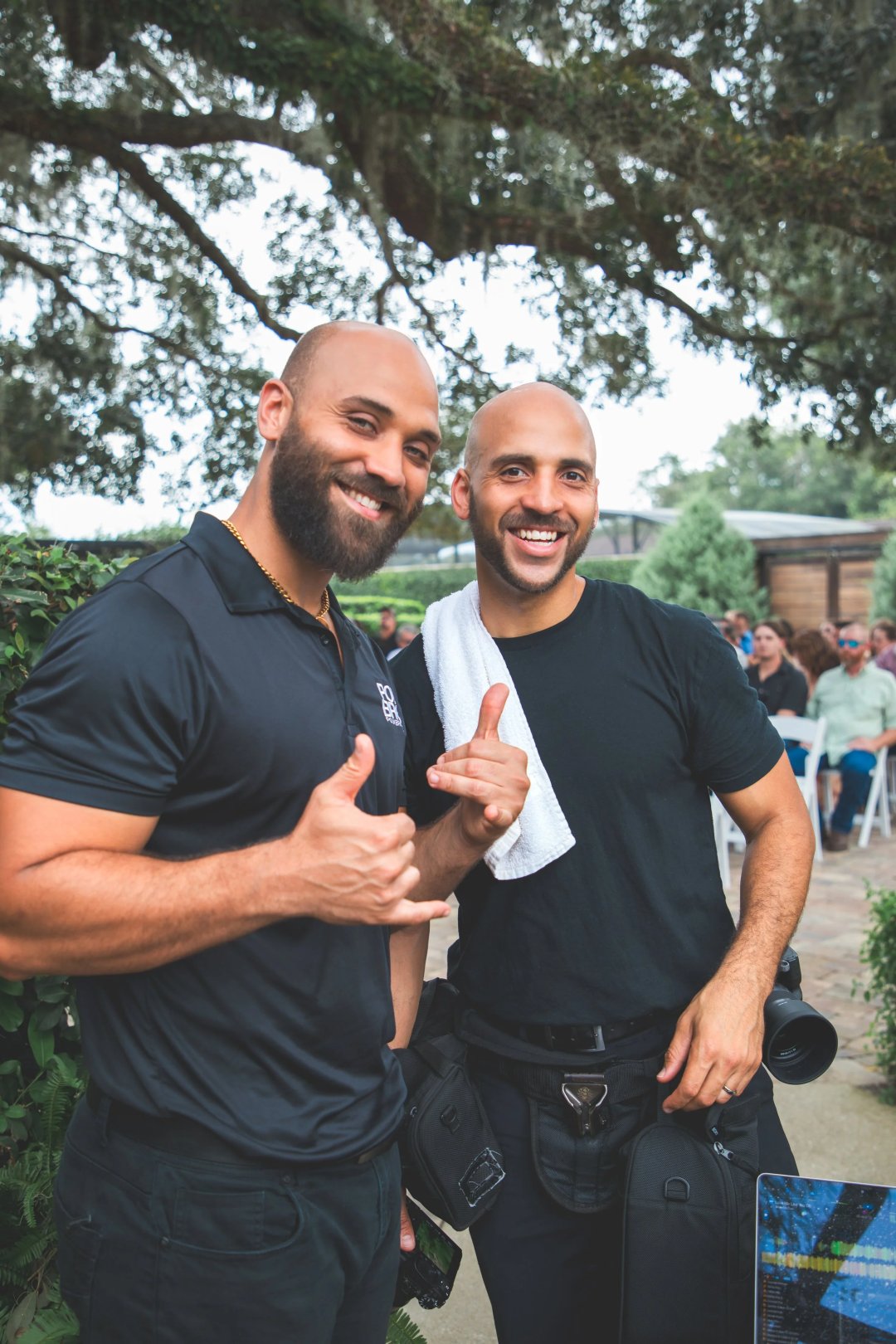
Choosing a family owned wedding business changes how your planning feels. You deal with the same people from your first call to your last dance, and decisions get made fast. At PolkBros, we are a family-owned and operated team serving weddings across Central Florida.
The Benefits Couples Actually Notice
The biggest gain is access. You reach a real person who knows your file, not a call center reading notes. Family-run teams often handle several services under one roof, so your DJ, photographer, and lighting crew already know each other. That cuts down on miscommunication.
- One point of contact for the whole day
- Faster answers on changes and timing
- Staff who have worked together for years
The Trade-Offs to Weigh Honestly
Ask about backup plans before you sign. A good team will explain who steps in if someone gets sick.
7 Steps for Choosing a Family Owned Wedding Business
7-step flowchart for selecting a family owned wedding vendor at home
These seven steps keep the process organized so you compare vendors on facts, not just vibes. Steps 1 through 3 are the same groundwork you would do for any vendor. Steps 4 through 7 are where the family-owned question actually gets answered.
Step 1: Lock In Your Wedding Date, Budget, and Venue First
Nothing else can move until these three are set. Your date decides who is even available. Your budget decides how many vendors you can hire. Your venue decides what services are allowed on site.
Some venues are nonprofit or historical properties with their own rules. Ask about load-in times, power access, and noise limits before you book anyone. Venue rules like these affect which services make sense for your event.
Step 2: List the Vendors You Actually Need
Write down every service you want, then mark what you can skip. Most couples need a photographer, a DJ, and catering. Many also want videography, lighting, and a photo booth.
Bundling saves coordination headaches. Our six-hour and eight-hour Perfect Packages combine wedding services in one booking, which can mean fewer contracts and fewer timelines to reconcile.
Step 3: Gather Personal Referrals and Read Online Reviews
Start with friends and family who married in the last two years. Recent recommendations beat old ones. Then read reviews on multiple sites, not just the vendor's own page.
Look for patterns. One bad review happens; three mentioning late arrivals is a warning. You can read reviews from couples who booked a vendor to see how a team handles real weddings.
Step 4: Verify the Business Is Genuinely Family Owned
This is the step most couples skip, and it matters most for this decision. Anyone can put "family owned" on a homepage.
Ask who owns the business and who runs the day. These are sometimes different people.
Ask how long the family has operated the business. Longevity is checkable.
Ask which family members work events. A business where the owners personally staff weddings is different from one where the family name is on the sign but no relative has attended an event in years.
A few practical checks that separate real family operations from marketing language:
- Search the business name plus "owner" or "founder" and see whether the same names appear across news coverage, review replies, and the website.
- Look for a named team page with photos and roles rather than stock imagery and first names only.
- Ask directly on your first call: "Who in your family will I actually work with?" Vague answers are information.
You can learn about the team behind a family-run company to confirm the story matches the claim.
Step 5: Review Portfolios and Previous Work
Ask to see full weddings, not just highlight reels. A gallery of 30 perfect photos tells you little. A full album shows how a team handles a dark reception hall or a rushed timeline.
For DJs, ask for a sample of their emcee style. For photographers, ask to see a complete ceremony from start to finish. If a vendor cannot produce a full event sample, ask why, some have legitimate privacy restrictions, but they should be able to describe the workaround.
Step 6: Compare Your Shortlist Side by Side
Put your top three vendors in one place and compare the same things: services, availability, communication speed, and what the contract covers. Comparing is easier when you can view package options and pricing in one spot instead of emailing five companies.
Check Availability & Request Pricing →
What to Compare | Why It Matters | Red Flag |
|---|---|---|
Services included | Avoid paying twice | Vague lists |
Backup plan | Protects your day | No answer |
Response time | Shows reliability | Days to reply |
Contract terms | Sets expectations | Verbal promises |
Named on-site staff | Tells you who shows up | "A team member" |
Ownership structure | Confirms the family claim | Dodged question |
Step 7: Schedule Consultations and Ask About Family Roles
A consultation should feel like a conversation, not a sales pitch. Ask who will be on site, who makes decisions, and what happens if plans change.
Family roles deserve their own questions. Ask who handles scheduling, who handles the contract, and who you call the week of the wedding.
Bring your questions to the call. You can check availability and request pricing once you have your shortlist ready.
Questions to Ask Wedding Vendors Before You Book
Ask these questions to every vendor on your list. The answers separate organized teams from hopeful ones.
- Who exactly will be at our wedding?
- What is your backup plan if you get sick?
- How do you coordinate with other vendors?
- What is your deposit and cancellation policy?
- Can we see a full gallery or full event sample?
- Who owns the photos and video after the wedding?
- How do you handle timeline changes on the day?
Write the answers down. Compare them later when emotions are calmer.
Your Wedding Vendor Checklist for a Stress-Free Booking
Use this checklist before you sign anything. It keeps the process simple.
- Date, budget, and venue confirmed
- Vendor list written and ranked
- Referrals collected from recent couples
The Wedding Vendor Contract Checklist Every Couple Needs
A contract protects both sides. Read it before you sign, not after.
Start with the basics. Check that the contract lists the date, times, and address. Confirm what services are included and what costs extra.
Then read for continuity. This is where family-run vendors differ most from large agencies, and where the contract should do the most work:
- Named on-site staff. The contract should identify who will be present, by name or by role. "A professional team member" is not a name. If the owner is your DJ, the contract should say so.
- Substitution and backup clause. Ask what happens if the named person is sick, injured, or has a family emergency. A strong contract states that the business will provide a qualified substitute and describes how that substitute is chosen. A weak one is silent.
- Equipment and service continuity. Confirm the business owns or controls its own gear and has replacements available. Ask what happens if a speaker, camera, or lighting fixture fails mid-event.
Get verbal promises in writing. If something is promised in conversation, an extra hour of coverage, a specific song list, a second photographer, ask for it in the contract or an attached addendum.
If the contract is missing any of these items, ask for them before you sign. A reputable team will not hesitate to put its backup plan in writing.
How Wedding Vendor Coordination Keeps Your Day on Track
Wedding vendor coordination is the work of keeping every vendor on the same timeline so nothing gets missed.
Ask each vendor how they share timelines.
Watch out: a missing timeline handoff is the most common cause of a late ceremony start. Confirm who owns the master schedule before the wedding week.
Your wedding day should feel calm, not chaotic. The right vendor team makes that happen.
Frequently Asked Questions
What are the benefits of hiring a family owned wedding business?
A family owned wedding business usually gives you a smaller team, direct access to the owners, and more consistent staffing from booking to wedding day. Decisions happen faster because there are fewer layers of management. You often deal with the same people who will run your event, which helps with communication and personal fit. The trade-off is capacity: a family business may book fewer events per weekend, so high-demand dates fill early. Ask about backup plans and service continuity before you sign.
How can you tell if a wedding vendor is reliable?
Check recent online reviews for patterns, not just star ratings. Ask for references from couples married in the last year and actually call them. Confirm the business carries insurance and has a written backup plan for illness or equipment failure. A reliable vendor answers questions about contingency planning without hesitation. During your consultation, notice how quickly they respond and whether they put commitments in writing. Professionalism shows up in the details long before your wedding date.
What should be included in a wedding vendor contract checklist?
Your wedding vendor contract checklist should confirm the wedding date, venue, service start and end times, and exactly what is included in your package. It should name the deposit amount, payment schedule, and cancellation and reschedule terms. Add arrival times, setup and breakdown responsibilities, and who coordinates with other vendors. Include a clause on backup staffing and equipment. Get every verbal promise in writing before you sign, and keep a copy of the signed contract with your wedding vendor checklist.
How do you compare wedding vendors fairly?
Build a shortlist of three to four vendors per service, then compare them on the same criteria: service details, communication speed, portfolio quality, contract terms, and how well they fit your wedding style. Use a wedding vendor checklist so every option gets the same questions. Weigh family owned and larger vendors on equal footing by focusing on service quality and contingency planning rather than size alone. Schedule consultations with your top choices and compare notes right after each call while the details are fresh.